
Siding project: Ketwitz residence, side elevation
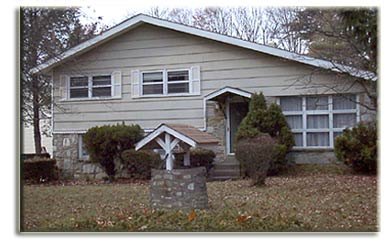
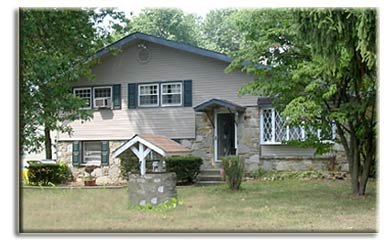
The gable end of the Ketwitz residence was re-sided at the same time as the front, which is where the meeting of new siding with the existing roofline, chimney and porch is most visible.
What the work involved
- Removal of the old covering on the gable end and inspection of the rake boards.
- Replacement of softened rake and frieze boards before the new siding was installed.
- New house wrap and foam insulation on the exposed elevation.
- New siding carried to a straight line up the gable, cut to follow the roofline.
- New soffit and fascia, with the downspout re-secured clear of the new surface.
Why gable ends matter
A gable end takes the most wind-driven rain of any wall on a house, and it is also the elevation most people see from the street when they walk past. Rake boards and frieze boards there are the first pieces to go soft, and once they do, water sits against the top of the wall. Replacing them while the siding is off is straightforward; discovering them later means opening a finished wall again.
Related projects
Ready for an exterior that stops leaking?
Free, no-pressure estimates across Montgomery, Bucks and Philadelphia counties. Talk through your project with the crew that will do the work.